
The 7 Mistakes with a Front Snorkel
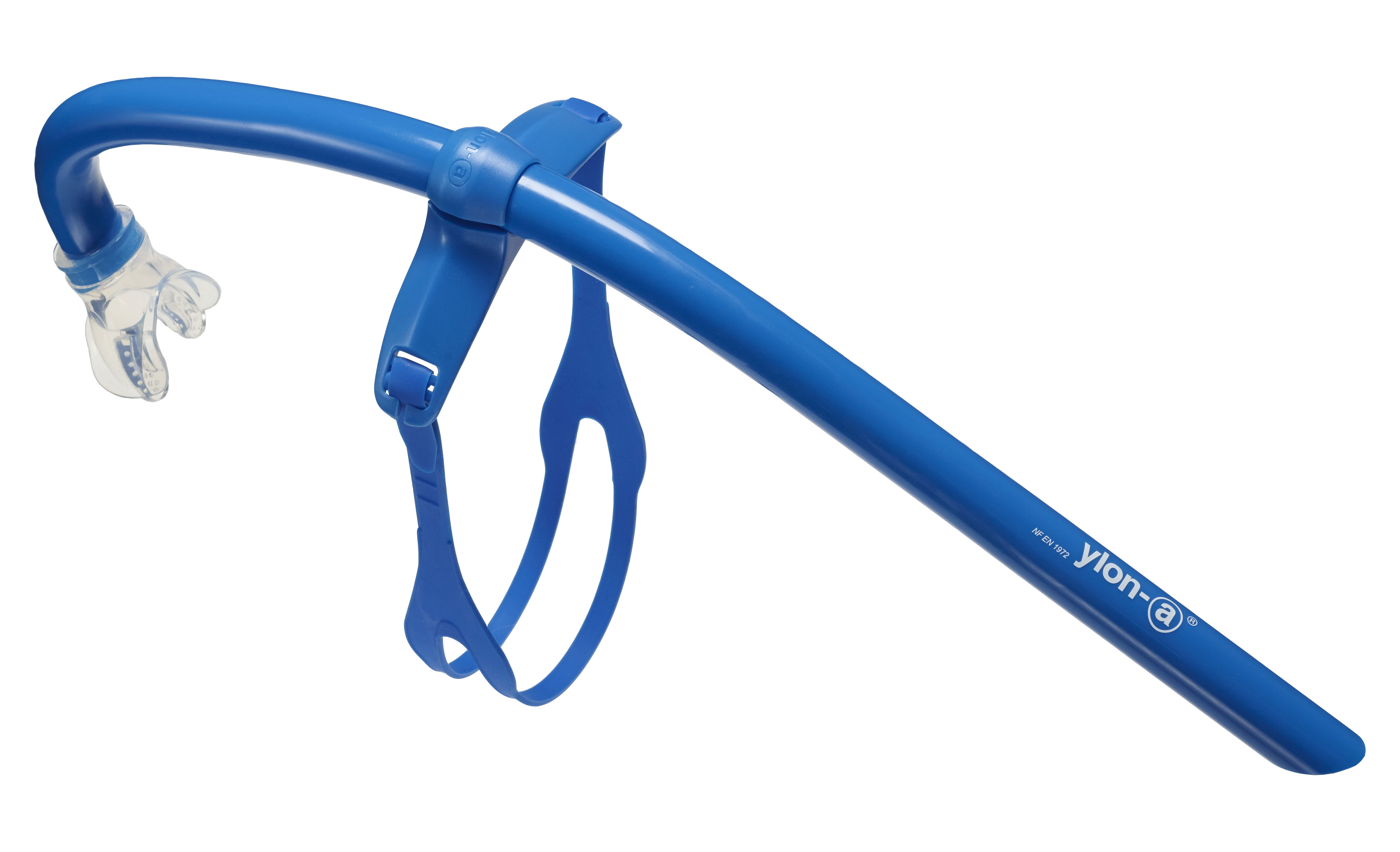
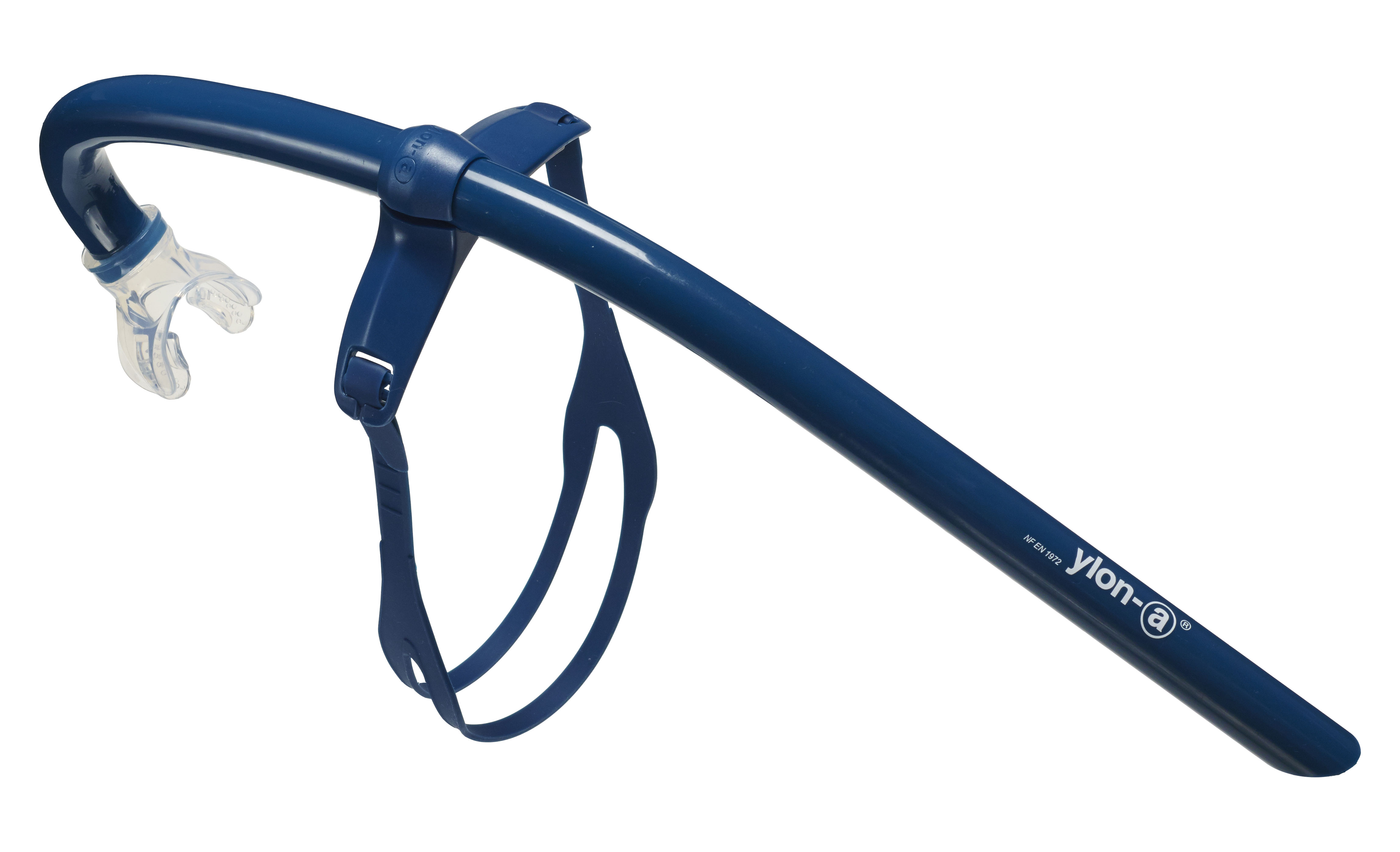
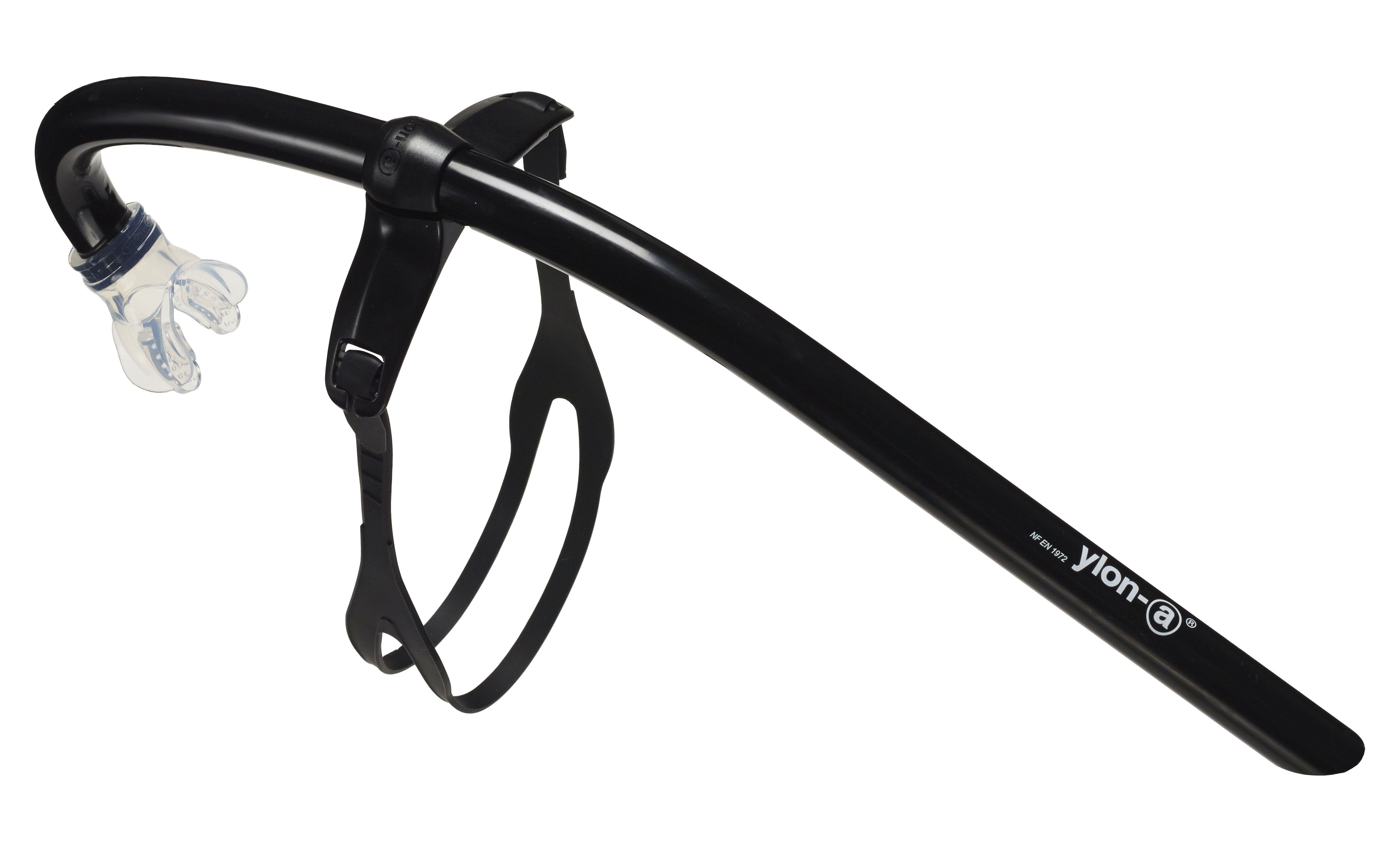
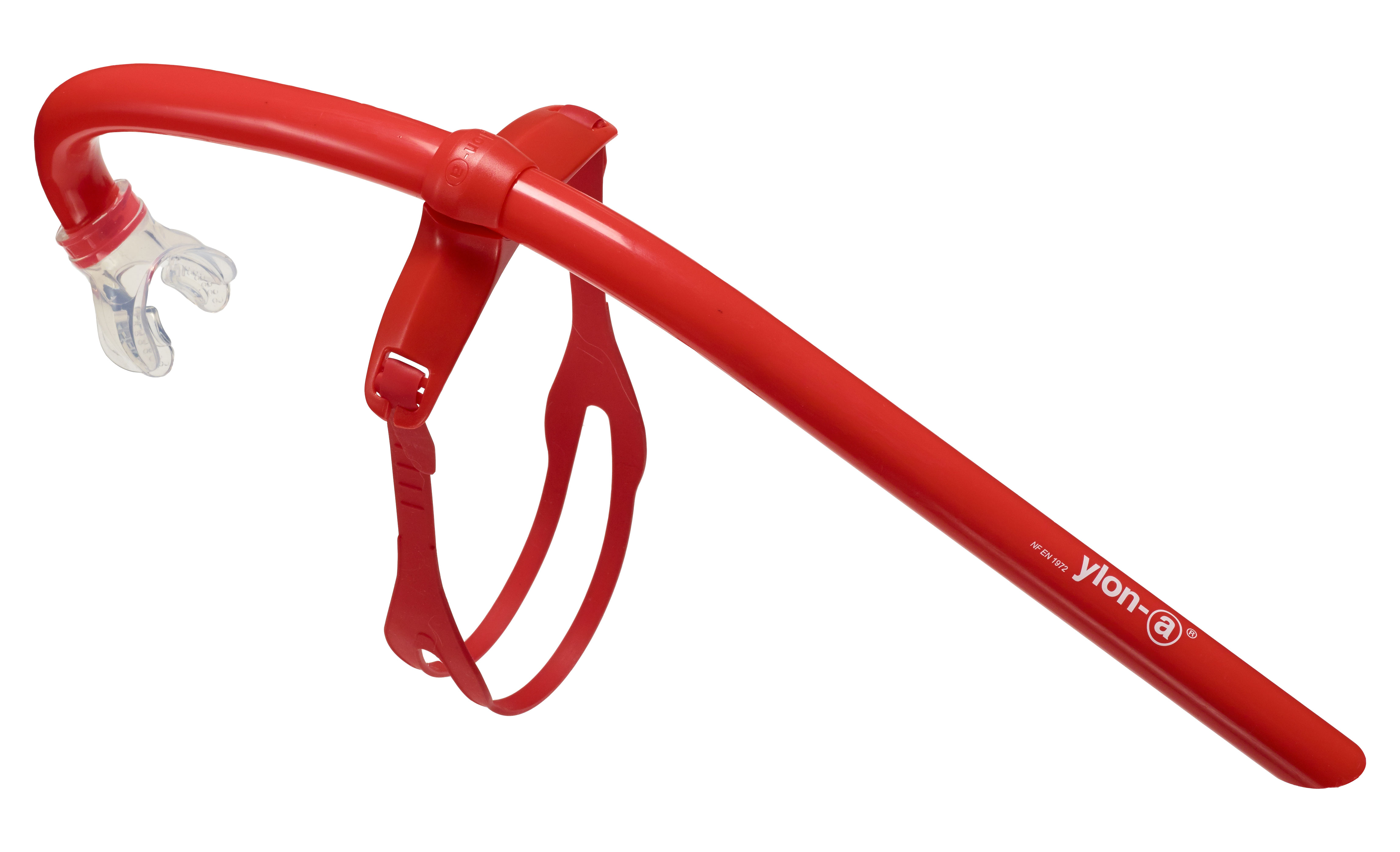
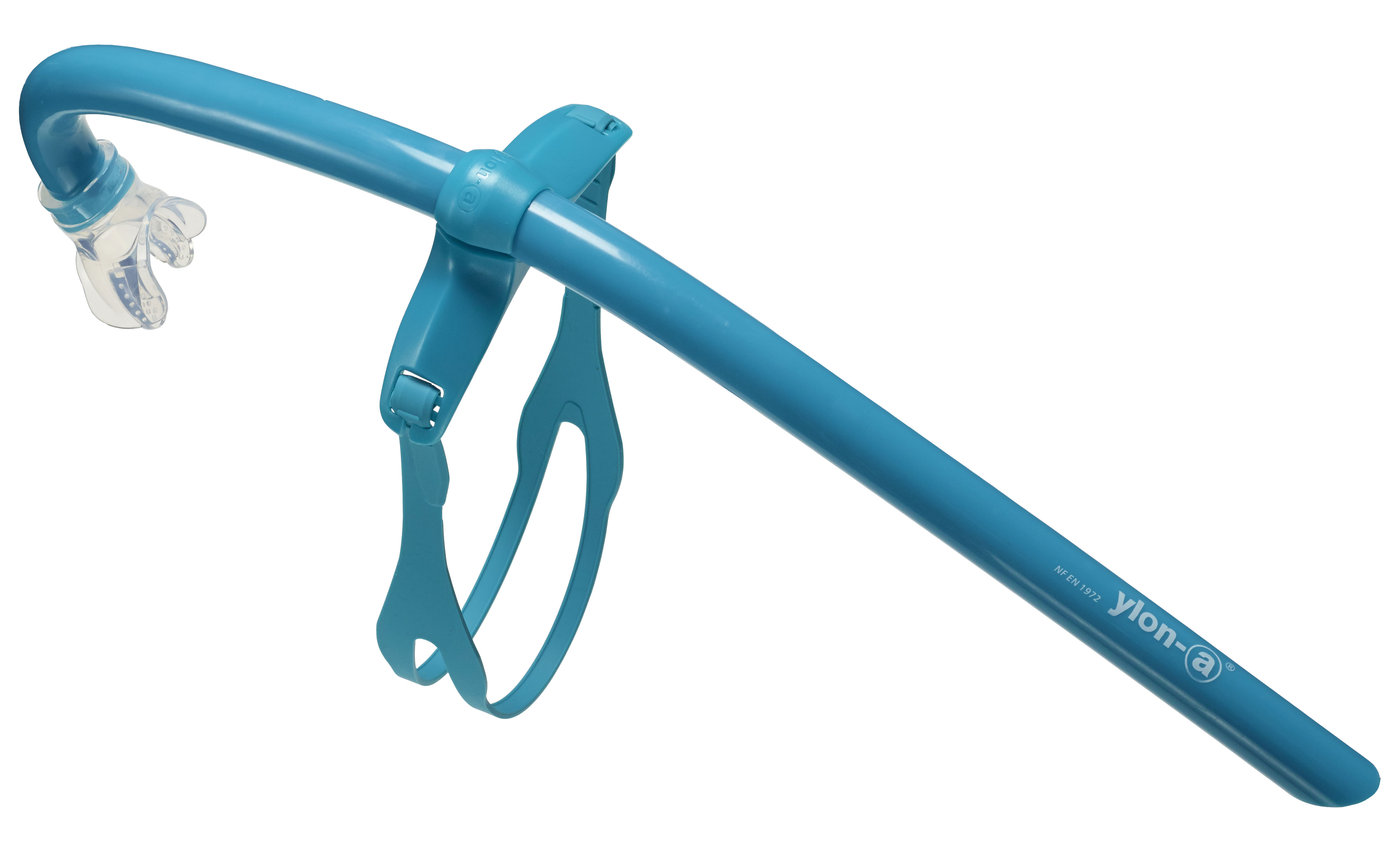
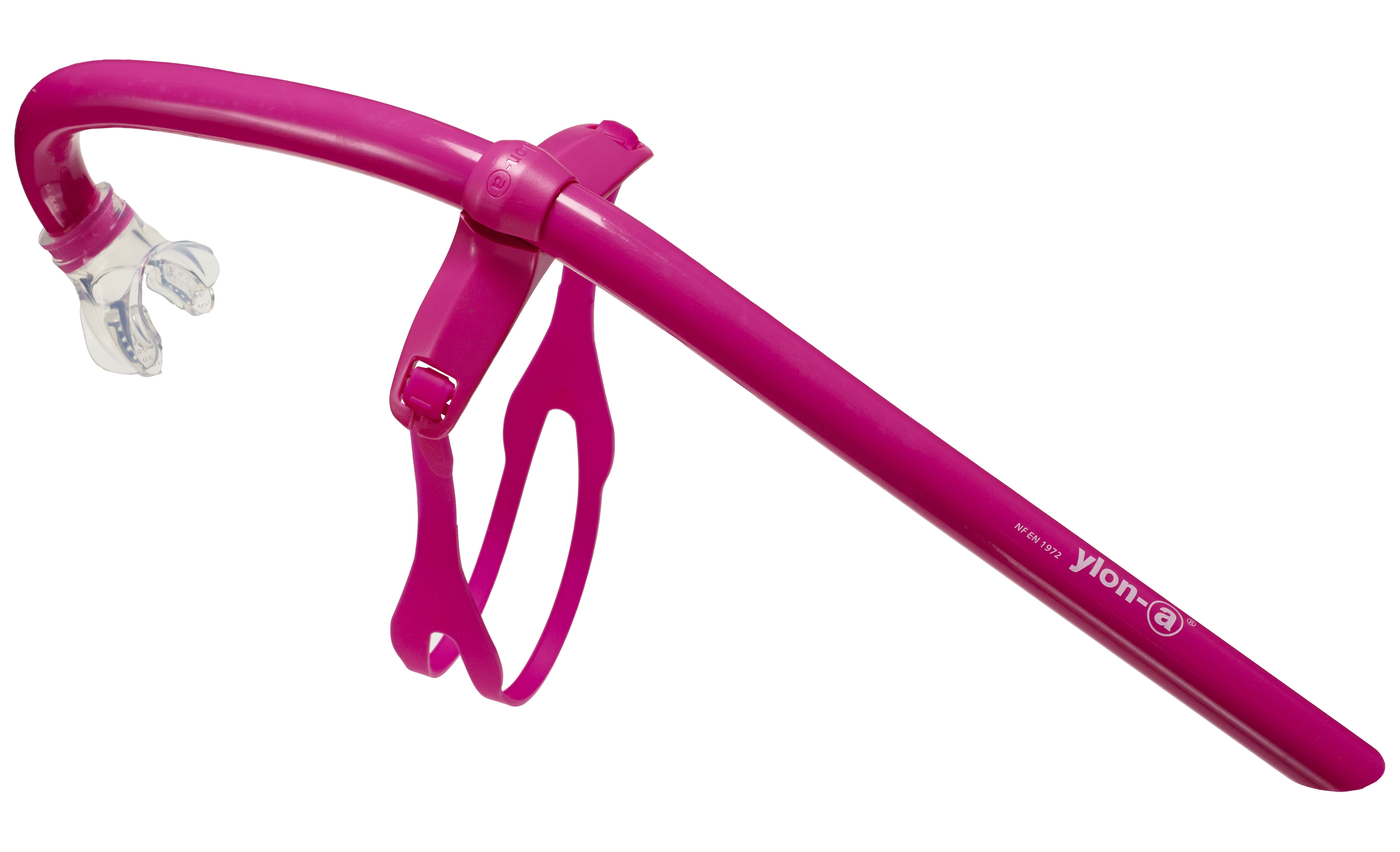
The front snorkel is a powerful tool to improve your swimming technique. However, when used incorrectly, it can reinforce bad habits, degrade your position in the water, and significantly limit your progress.
Here are the most common mistakes — and more importantly, why they are problematic.
1. Lifting your head to look forward
This is the most common mistake.
When you lift your head to look forward, you break the alignment between the head, spine, and pelvis. The neck goes into flexion, the body loses balance, and the legs sink in the water.
Result:
- increased frontal resistance
- creation of turbulence
- loss of glide efficiency
The same applies after a turn: if you lift your head when pushing off the wall, you immediately destroy the quality of your streamline.
2. Tucking the head (chin to chest)
This is the opposite mistake… but just as problematic.
Trying to “tuck the head” by bringing the chin to the chest also breaks alignment. This time, the neck moves in the opposite direction, disturbing body position and allowing water to enter the snorkel.
Result:
- body misalignment
- increased drag
- disrupted breathing
The head must remain aligned — neither lifted nor tucked.
3. Continuing to turn the head to breathe
Many swimmers keep the habit of turning their head as if they were swimming without a snorkel.
With a front snorkel, this is unnecessary.
In addition, this movement:
- disrupts balance
- breaks rhythm
- prevents full use of the tool
The snorkel is precisely designed to eliminate this constraint.
4. Biting the mouthpiece too hard
This is a subtle but costly mistake.
Clenching the mouthpiece creates tension in the jaw, which spreads throughout the body. This increases stress, fatigue, and energy consumption.
Proper use of a snorkel requires:
- a relaxed jaw
- smooth breathing
- a relaxed body
5. Poor breathing management
This is a key point, and several mistakes are involved.
Many swimmers:
- exhale too forcefully
- exhale completely
- or breathe only through the mouth in a rigid way
The problem is that if you exhale completely, you have no air reserve left to expel water if it enters the snorkel.
The correct approach:
- inhale through the mouth
- exhale passively through mouth and nose
- always keep a small air reserve
6. Not structuring your breathing cycle
Breathing is not just “taking in air.”
A proper breathing cycle in swimming includes:
- a full inhalation (maximum volume)
- a short, comfortable breath-hold
- a controlled exhalation
Why?
Because a body full of air:
- floats better (buoyancy)
- maintains better position
- glides more efficiently
Not structuring your breathing means losing a major advantage.
7. Hyperventilating
This is a mistake that requires particular attention.
Some swimmers may increase their breathing rate with a snorkel, often due to stress before starting to swim. In reality, hyperventilation significantly reduces CO₂ levels with each exhalation.
Result:
- tingling sensations
- dizziness
- loss of awareness
If this happens:
- stop immediately
- remove the snorkel
- breathe calmly out of the water
- alert someone nearby
Conclusion
A front snorkel is not just for breathing.
It is a tool to improve technique, position, and understanding of movement. But to be effective, it must be used correctly.
Correcting these mistakes allows you to:
- restore proper alignment
- reduce resistance in the water
- and progress much faster
FAQ — Frequently Asked Questions
Is a front snorkel good for improving swimming technique?
Yes. A front snorkel removes the need to turn the head to breathe, allowing the swimmer to focus on alignment, body position, water support, and movement precision.
Should I look forward when swimming with a front snorkel?
No. Looking forward lifts the head, breaks the alignment between the head, spine, and pelvis, increases resistance, and often causes the legs to sink.
Why does water enter my front snorkel?
Water may enter the snorkel if the head is poorly positioned, if the chin is too tucked, if the swimmer moves the head too much, or if the snorkel is not correctly adjusted.
Should I exhale completely when using a front snorkel?
No. It is better to exhale in a controlled and passive way while keeping a small reserve of air, so you can expel water if it enters the snorkel.
Is hyperventilation dangerous with a front snorkel?
Yes. Hyperventilation can reduce CO₂ levels too much and cause dizziness, tingling sensations, and loss of awareness. If this happens, stop immediately, remove the snorkel, and breathe calmly out of the water. Grab the lane line or the wall, call for assistance, and stay under supervision. Exit the water and do not resume swimming until all symptoms have completely disappeared, such as dizziness, tingling in the hands or face, lightheadedness, blurred vision, confusion, or a feeling of instability.