Front snorkel: should you breathe through your nose or your mouth?
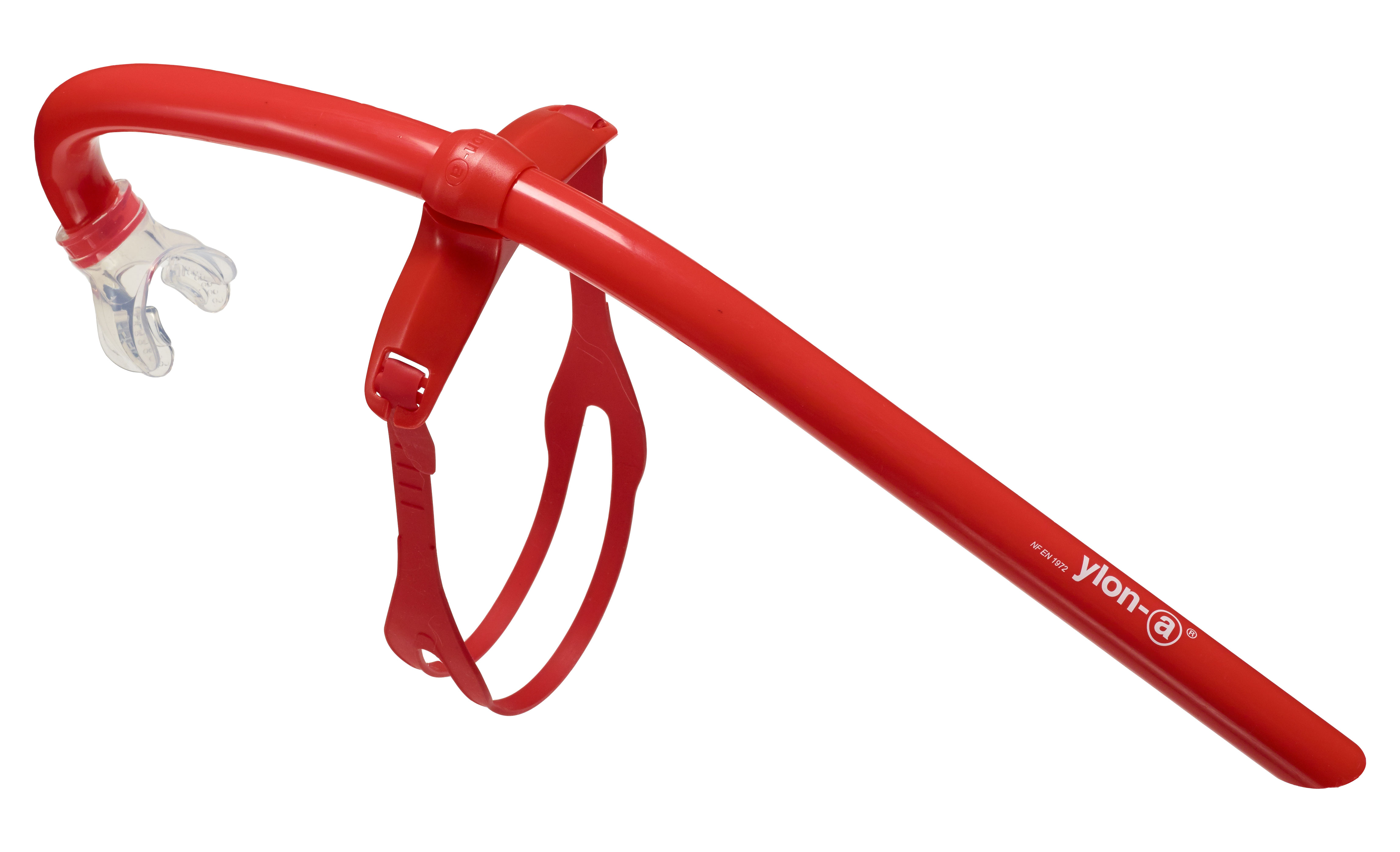
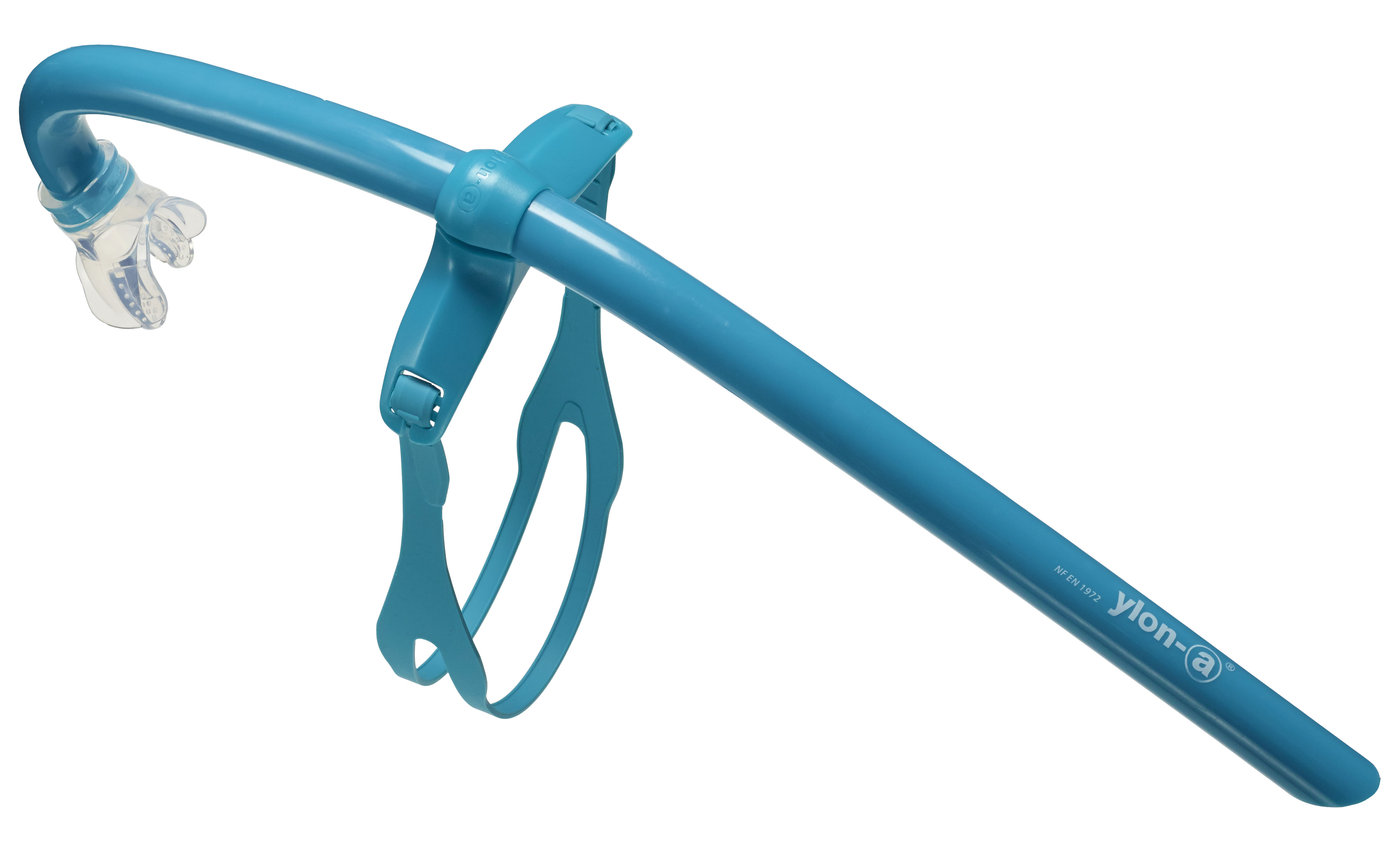
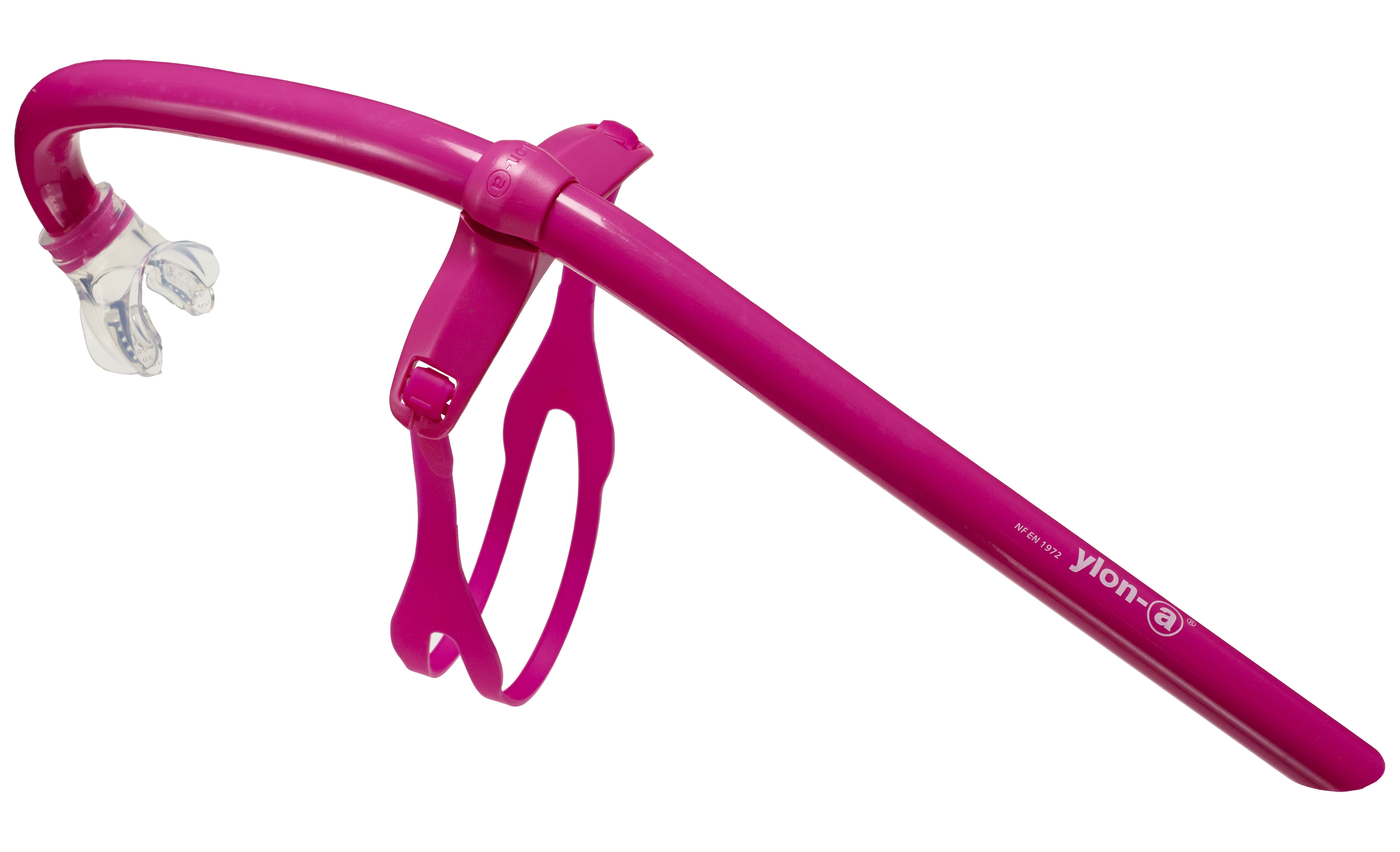
When using a front snorkel, one question comes up very often:
Should you breathe through your nose or through your mouth?
The answer is relatively simple:
- inhalation must be done through the mouth,
- exhalation can be done:
- through the mouth,
- through the nose,
- or through both.
Why inhalation must be done through the mouth
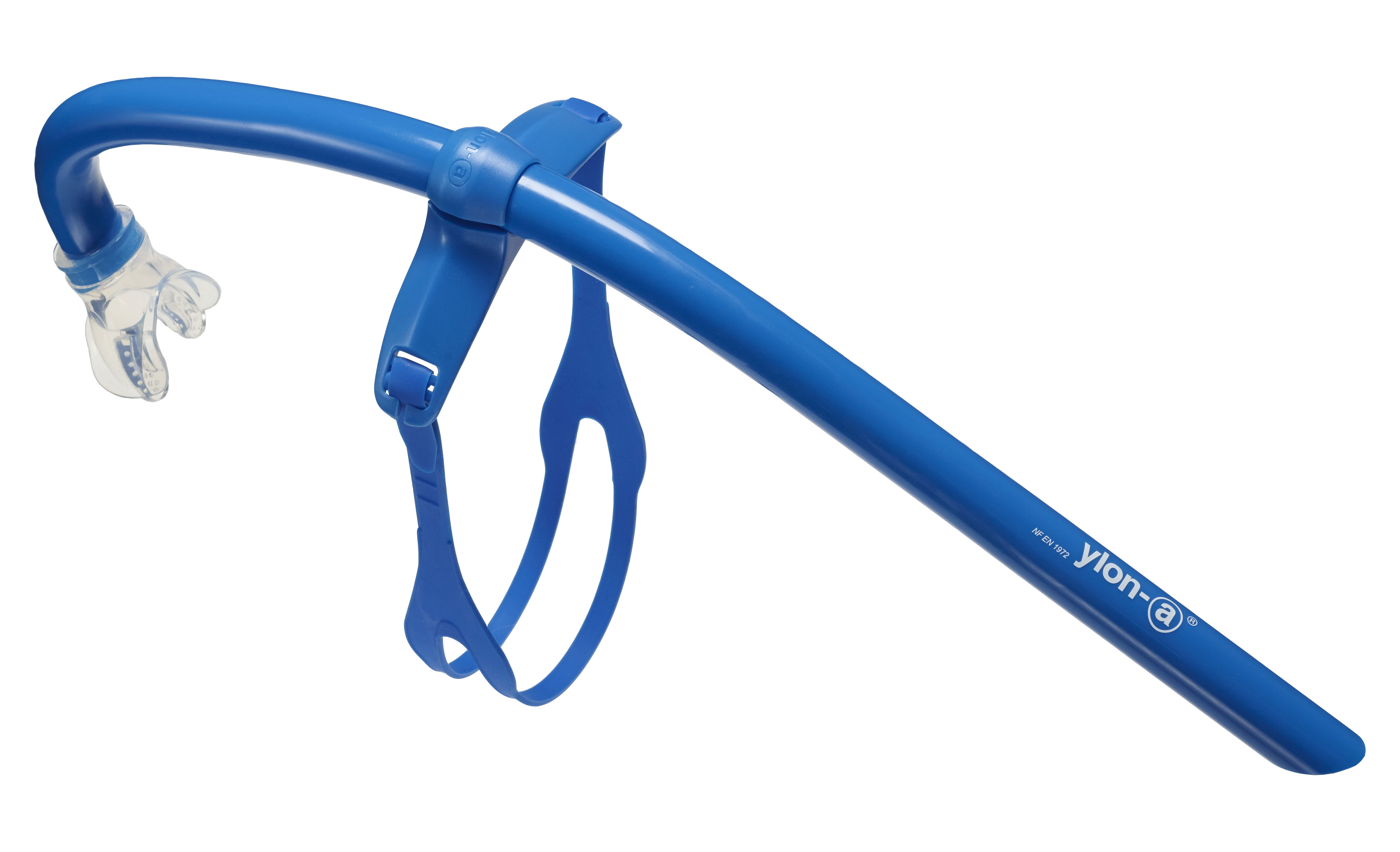
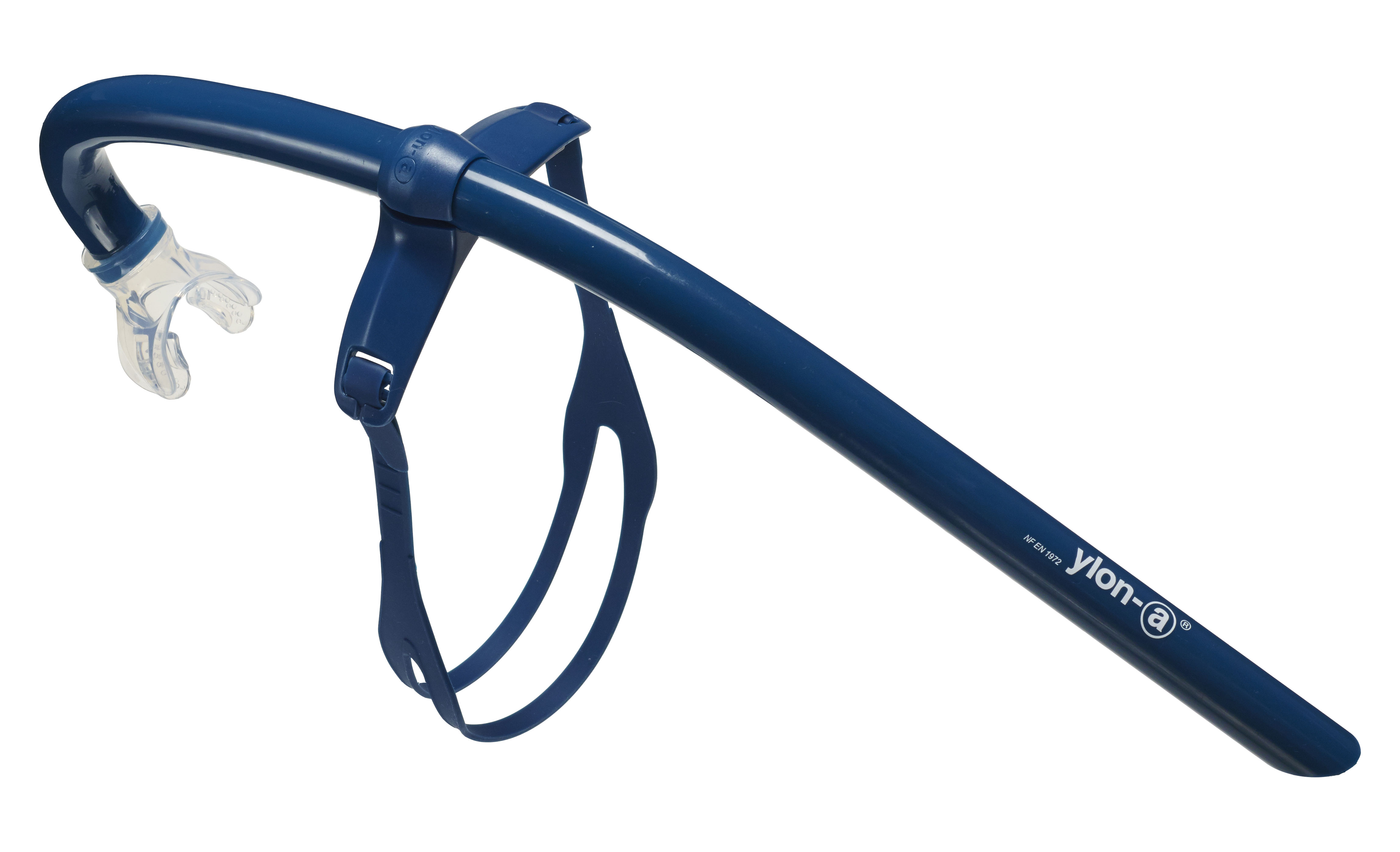
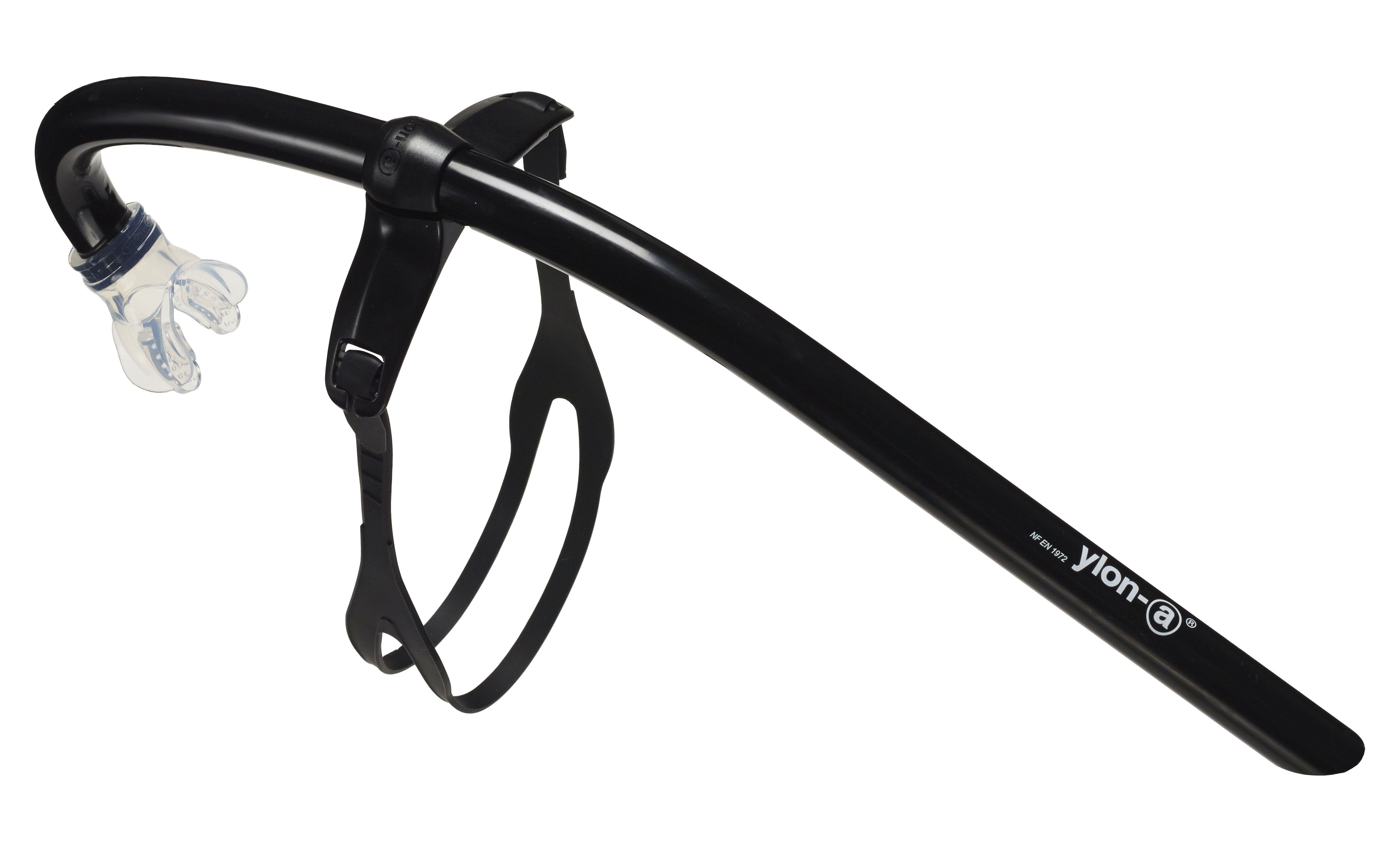
With a front snorkel, air enters through the tube positioned in front of the face.
When the face is in the water, the nose is submerged.
It is therefore impossible to inhale properly through the nose.
Inhalation must therefore be done through the mouth in order to bring air into the lungs through the snorkel.
Exhalation can be done in several ways
Several methods can be used for exhalation:
- mouth-only exhalation,
- nose-only exhalation,
- mouth + nose exhalation.
Each swimmer progressively develops their own breathing coordination.
Many experienced swimmers naturally use a mixed mouth + nose exhalation.
It is also possible to progressively learn how to better dissociate mouth and nose breathing through specific exercises.
A breathing dissociation exercise guide is available here:
➡️ [Link to exercise page]
Why do some swimmers also exhale through the nose?
Partially exhaling through the nose can provide several benefits:
- improve breathing comfort,
- promote relaxation,
- help better manage the exhalation flow,
-
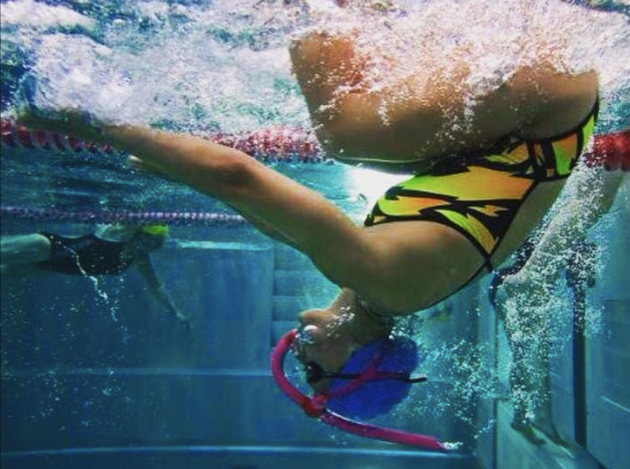
Prevents water from entering the nose during flip turns.
Many swimmers naturally use this coordination without even thinking about it.
Air renewal inside the snorkel
When breathing through a snorkel, part of the exhaled air temporarily remains inside the tube.
This space is called “dead space”.
If the tube is too long or ventilation is insufficient, part of the exhaled CO₂ may be inhaled again before being completely expelled.
This is precisely why there are recommendations regarding:
- snorkel length,
- internal diameter,
- and minimum user size.
Why do children’s snorkels have a smaller diameter?
Children have a lower lung capacity than adults.
The 18 mm internal diameter is designed for them, although it is also appreciated by some adults for improved comfort when expelling air.
A snorkel that is too long could make air renewal less efficient.
Children’s snorkels are therefore not necessarily shorter, but generally use a smaller diameter in order to facilitate breathing and CO₂ evacuation.
The dimensions of ylon-a® snorkels follow the recommendations of the INPP and CMAS (World Underwater Federation), which regulates the development and rules of finswimming, a discipline where the snorkel is used as a training and competition accessory.
The goal is not to “force” breathing
With a front snorkel, breathing should remain:
- calm,
- smooth,
- natural,
- regular.
Breathing should never be forced or excessive.
Relaxed breathing improves:
- stability,
- balance,
- muscular relaxation,
- and technical quality.
Front snorkels are designed for surface use
Front snorkels are designed for surface swimming.
They are not intended for:
- scuba diving,
- deep descents,
- or deep freediving.
They can however be used:
- during turns and underwater streamlines,
- for dive starts,
- during swimming or finswimming training,
- and for certain physiological exercises in the pool.
However, they are not designed for deep underwater use.
Generally speaking, it is recommended not to go deeper than about 1.5 meters with a front snorkel, and only for a very short time related to the underwater phase after a turn.
Their design, length and operation are intended for surface breathing and technical swimming training.
Important: never keep the snorkel in your mouth while diving underwater
For safety reasons, it is absolutely forbidden to dive underwater while keeping the snorkel in the mouth.
Why?
Holding your breath for freediving or snorkeling while keeping the snorkel in your mouth is a serious mistake.
Having the mouth open underwater with a snorkel creates a direct path for water to enter the airways and potentially the lungs.
The snorkel must therefore always be removed from the mouth when going underwater, except during the very short moment of a turn or streamline in the pool.
If you practice snorkeling or freediving:
➡️ as soon as you go underwater, you must remove the snorkel from your mouth.
The front snorkel remains a very safe training tool
Front snorkels are used worldwide:
- in swimming,
- in finswimming,
- in freediving (surface training),
- in technical training,
- by beginners as well as Olympic swimmers.
When adapted to the swimmer’s size and used correctly, they are extremely safe and highly effective training tools.
Usage recommendations: front snorkels are generally intended for users taller than 150 cm. However, in clubs and under supervision, they are commonly and safely used by younger swimmers as well.
Be careful with copies currently available on the market.
Original ylon-a® snorkels are the only ones officially tested by the INPP and used by the French Swimming Federation (FFN) as part of the “Pass’Sport de l’Eau” program.
They follow the standards recommended by CMAS and indirectly in France by the FFESSM, as well as by the international federations affiliated with CMAS.
Theo-Patrick FOURCADE