
Why Does Water Enter My Front Snorkel?
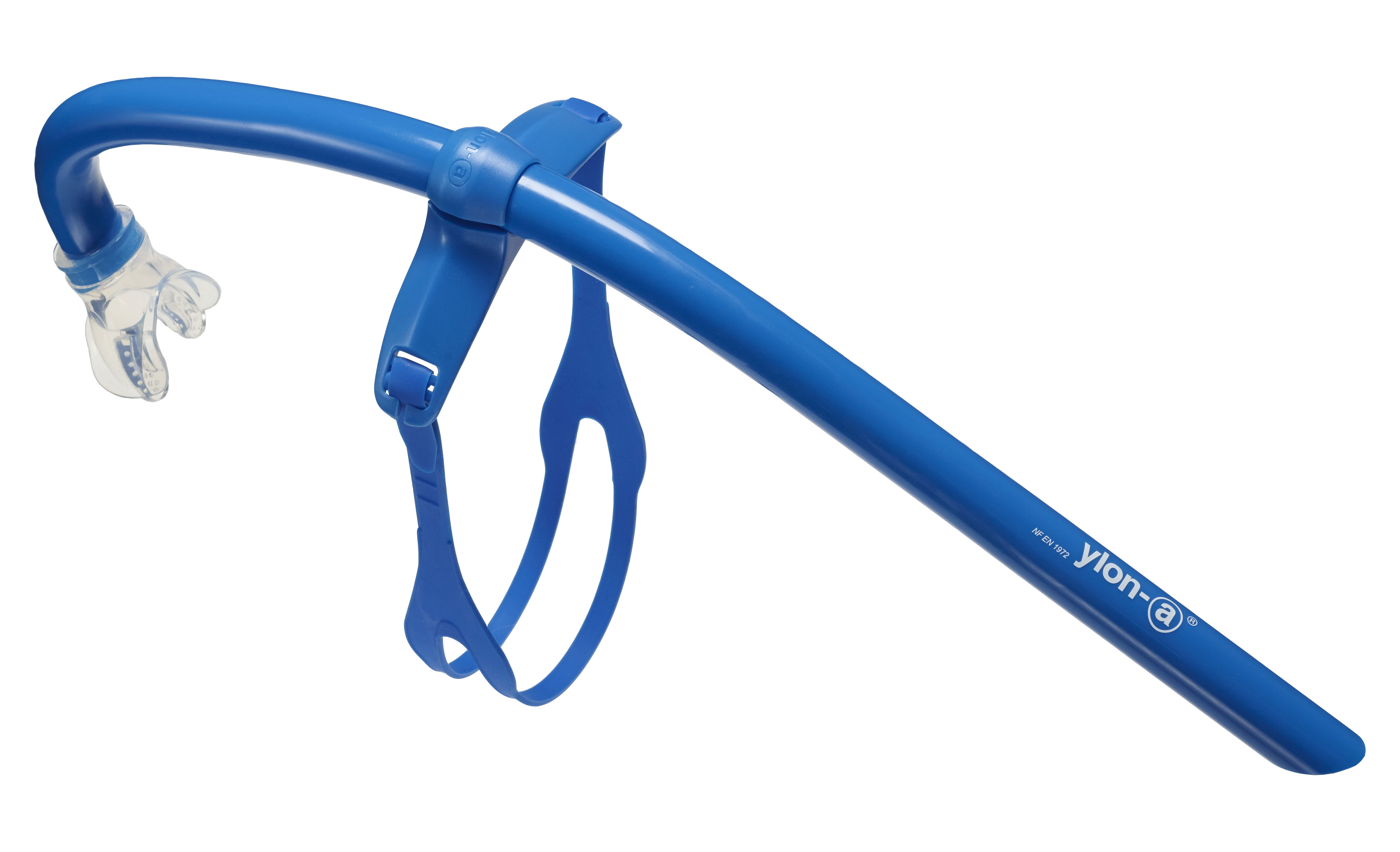
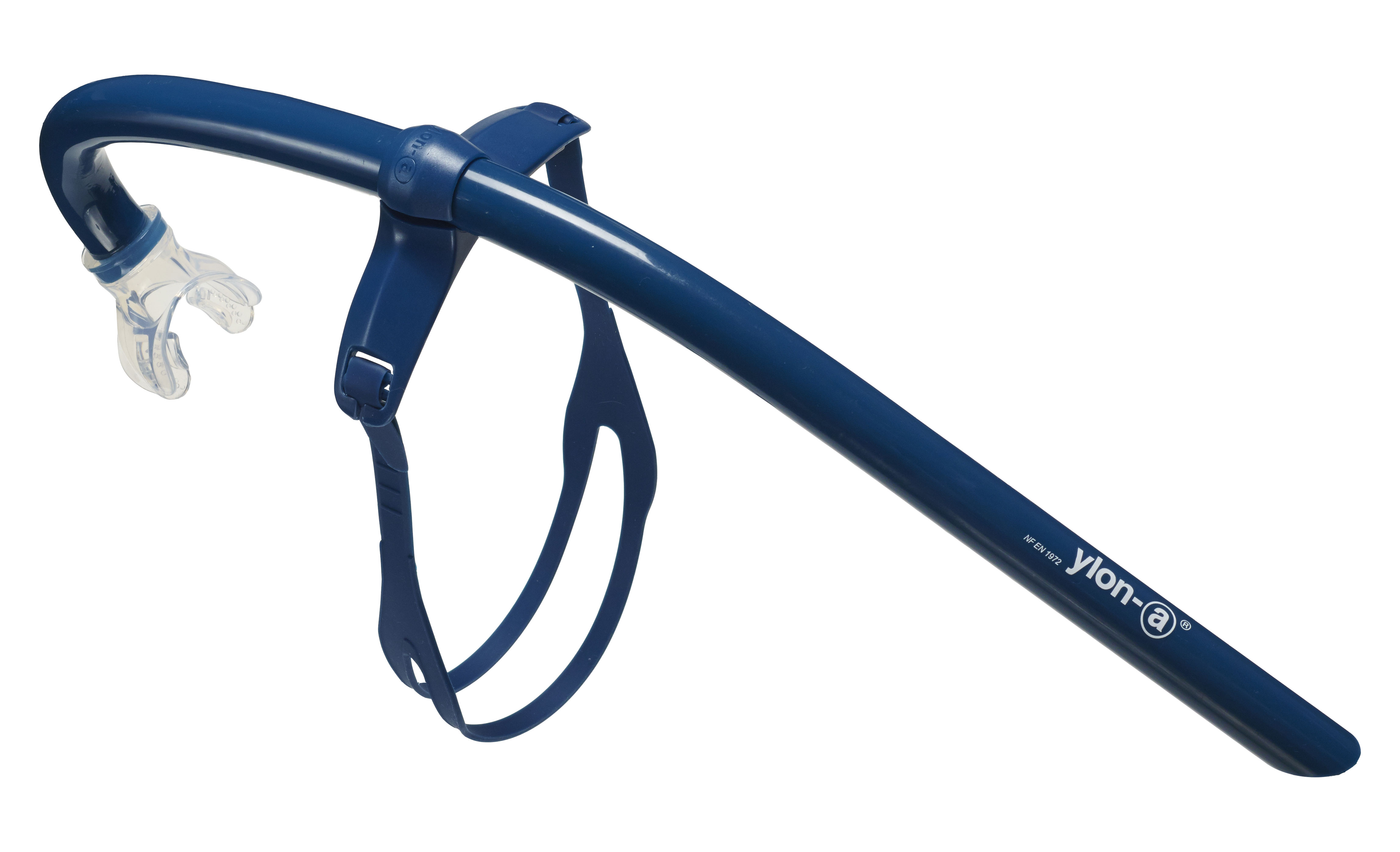
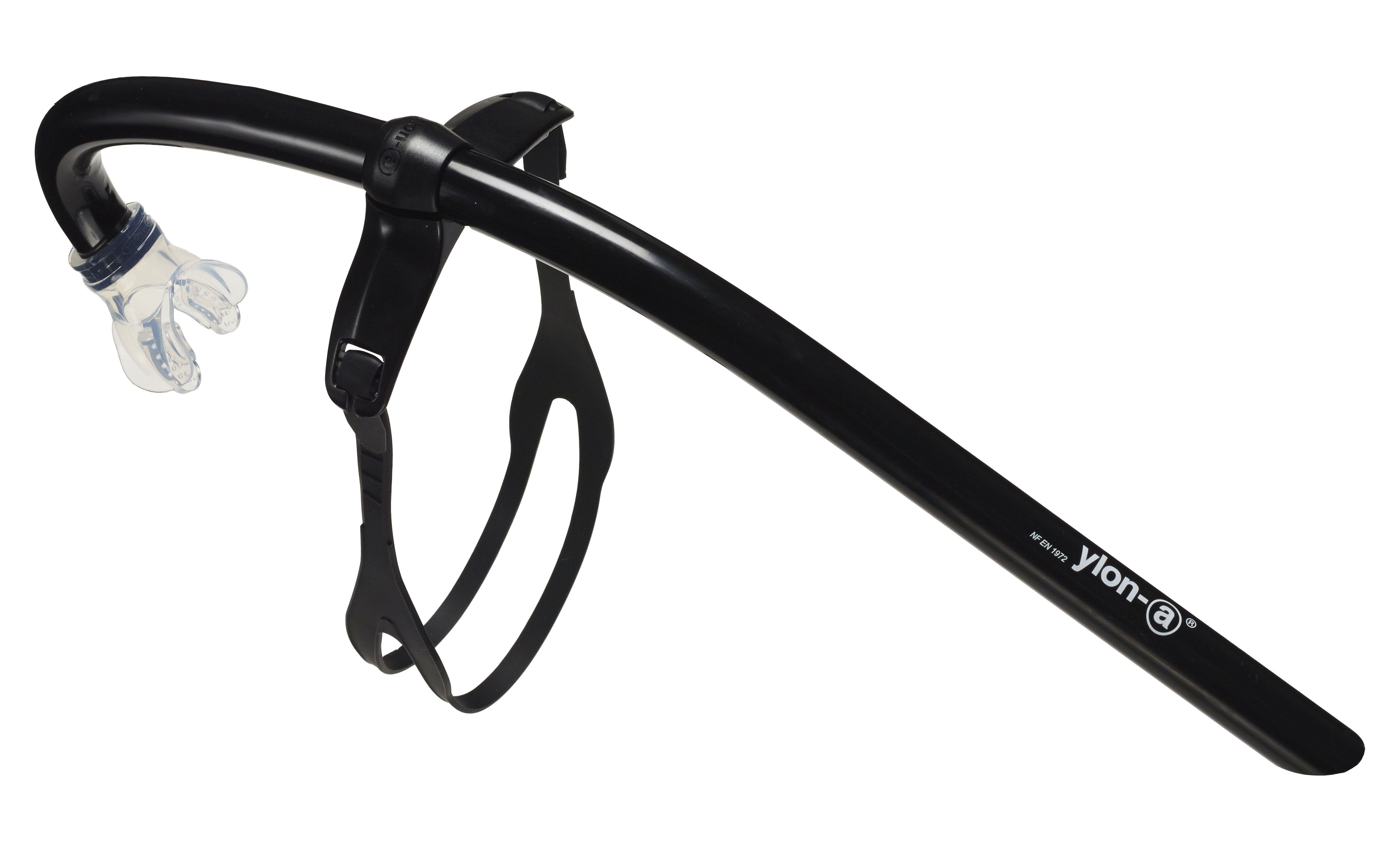
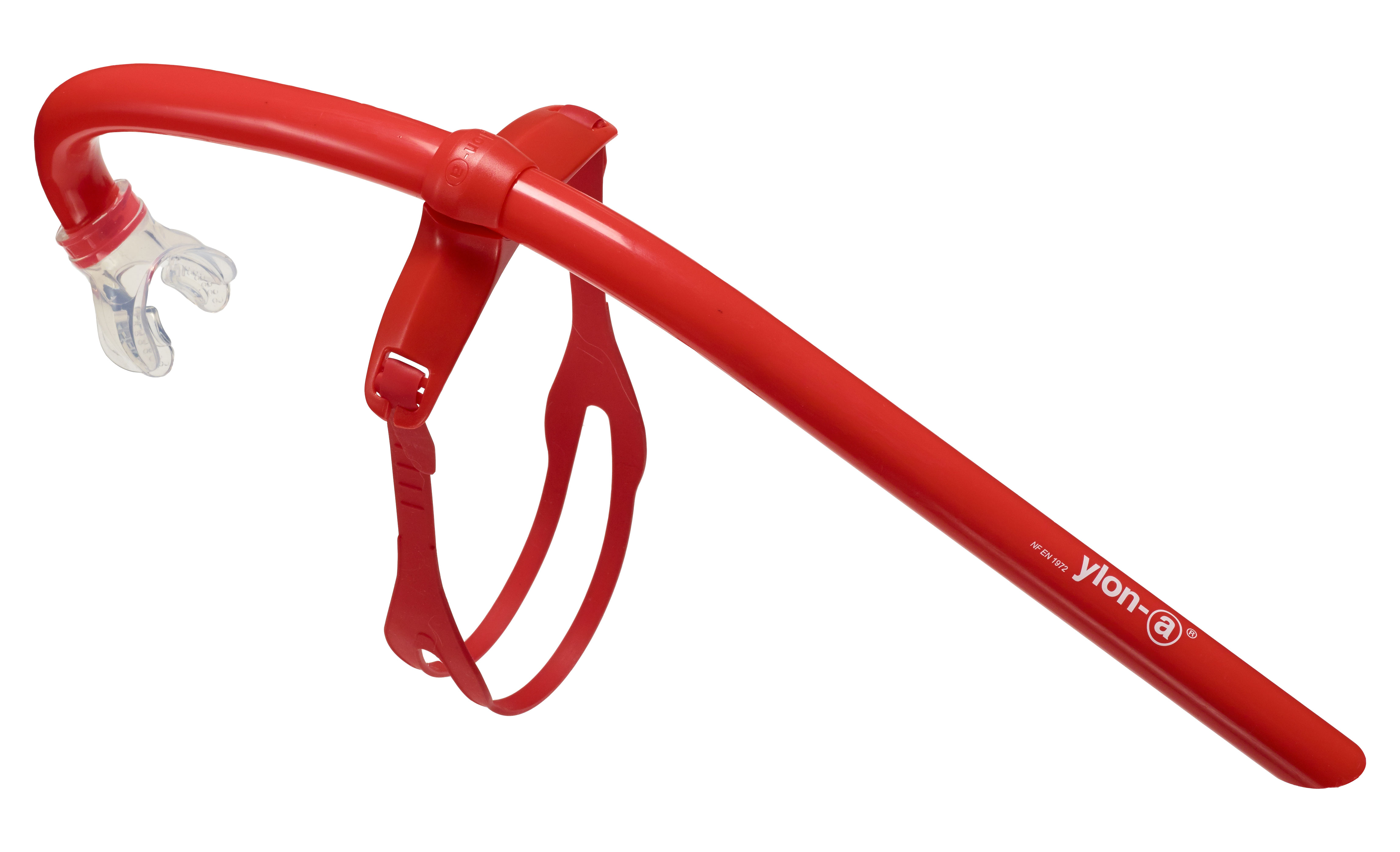
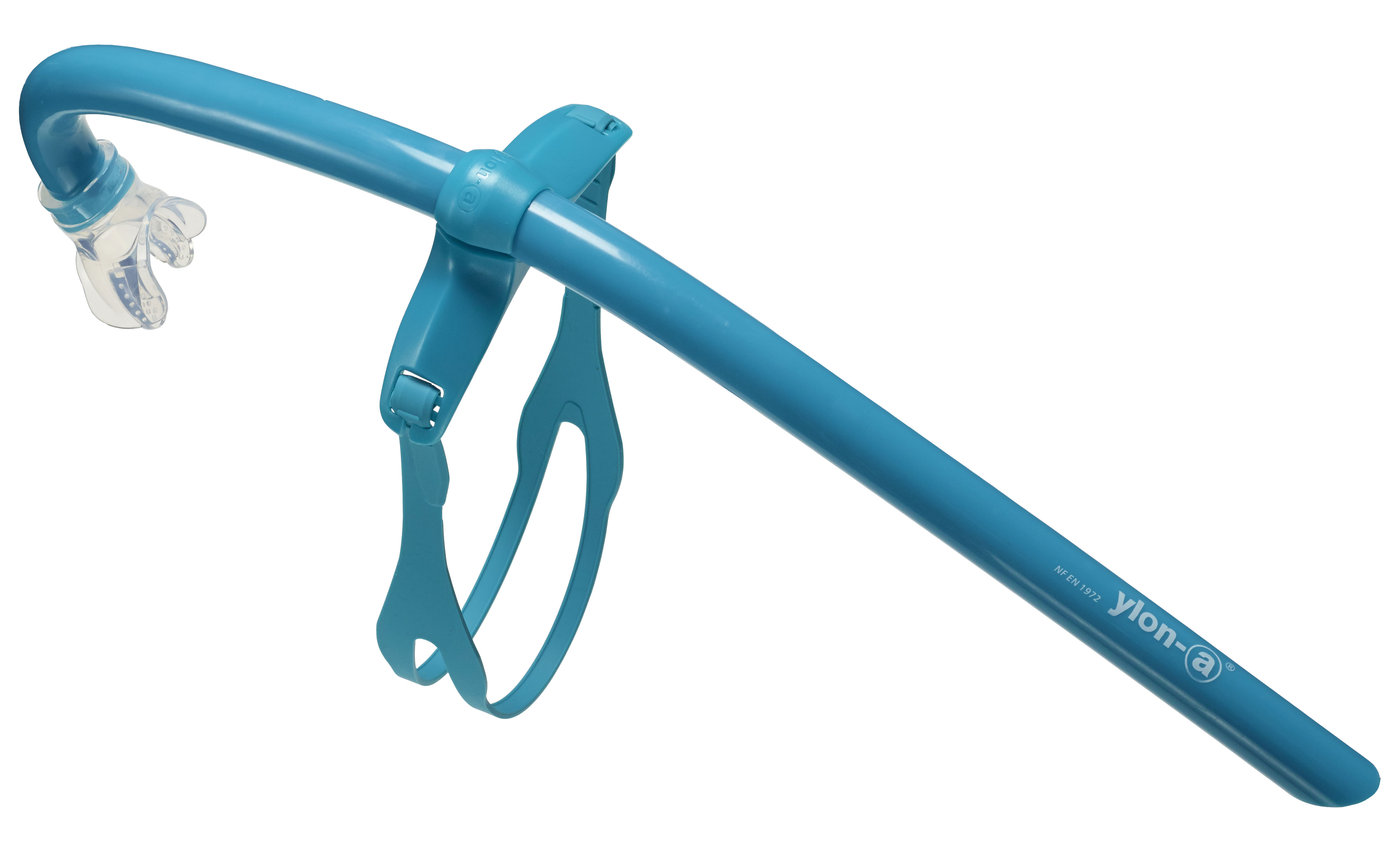
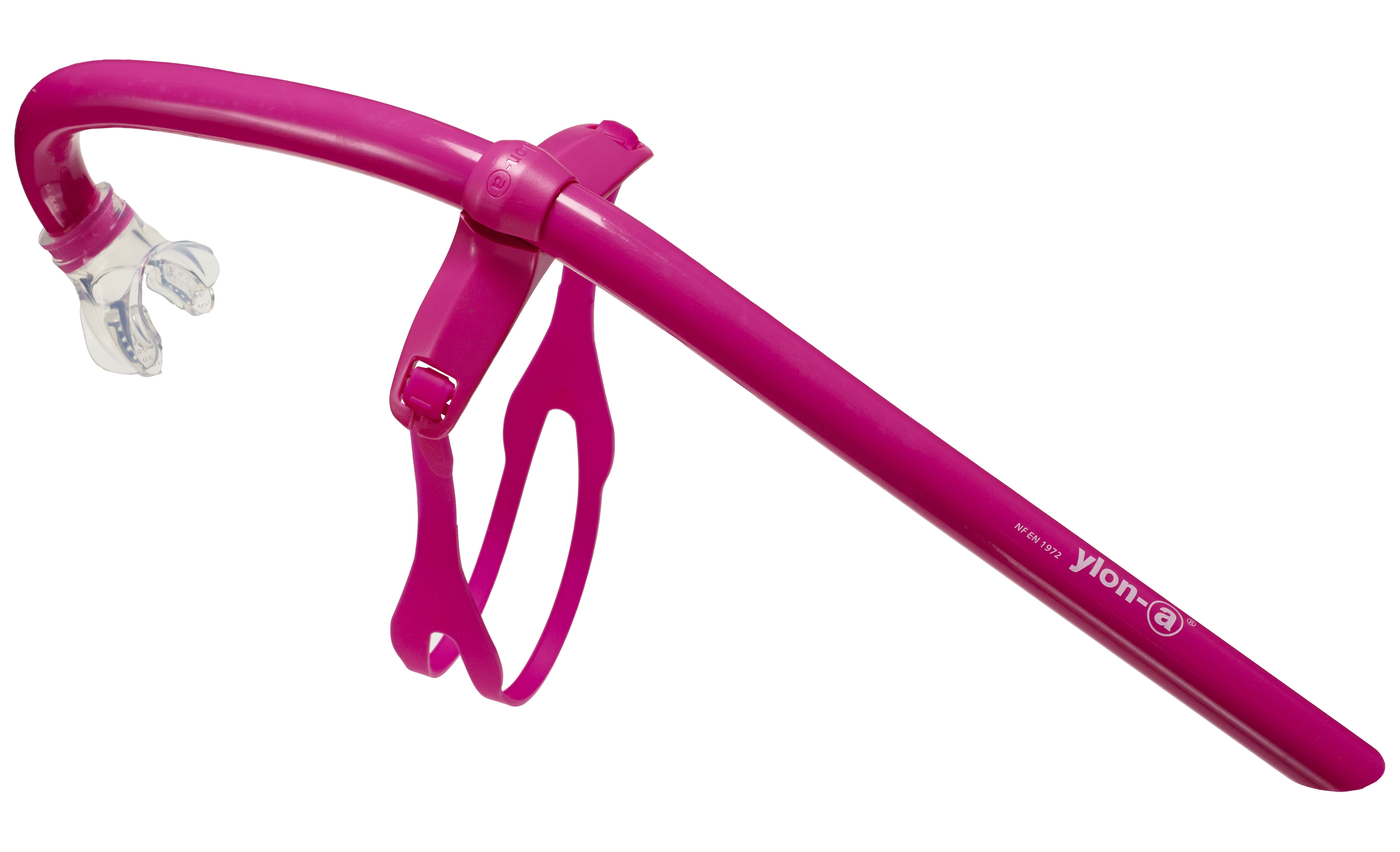
When beginners start using a front snorkel, it is very common to sometimes get water inside the tube.
In most cases, this is completely normal and part of the learning process.
The front snorkel is a technical training tool that requires a short adaptation period to learn how to:
- position the head correctly,
- manage breathing,
- clear water calmly,
- and maintain stable swimming despite external disturbances.
Several normal situations can explain why water enters a front snorkel.
⸻
1. Voluntary and involuntary underwater passages
Voluntary underwater passages
During training, it is normal to perform short underwater movements such as:
- underwater glides,
- dive starts,
- flip turns,
- specific technical drills.
The front snorkel may then fill partially or completely with water.
In these situations, the principle always remains the same:
the swimmer anticipates the situation by keeping enough air in the lungs to clear the water from the snorkel before renewing the air and resuming normal breathing and swimming.
The swimmer progressively learns to manage this situation calmly.
➡️ See the snorkel water-clearing exercises
⸻
Involuntary underwater passages
Sometimes the top of the snorkel accidentally goes underwater.
This may happen because of:
- a wave,
- a sudden movement,
- crossing another swimmer,
- or poor head position.
A certain amount of water may then enter the tube.
This often surprises beginners but is completely part of learning how to use a front snorkel.
The swimmer gradually learns how to:
- stay calm,
- clear the water,
- resume normal breathing,
- and continue swimming without stress.
➡️ See the snorkel water-clearing exercises
⸻
2. Poor head position can cause water to enter
One of the most common causes of water entering a front snorkel is poor head positioning.
When the chin drops too much toward the chest:
- the snorkel tilts forward,
- its top may go underwater,
- and water can enter the tube.
The swimmer may not immediately realize it.
Good head positioning naturally helps keep the snorkel above the surface.
The eyes should remain directed toward the bottom of the pool without pressing the chin into the chest.
The neck should remain slightly stretched backward in order to create a light “double chin”.
This position improves:
- stability,
- alignment,
- balance,
- and greatly reduces water entering the snorkel.
With experience, swimmers progressively learn to recognize these proprioceptive sensations and automatically recover proper head positioning in the water.
➡️ See the exercise: Snorkel and head position
⸻
3. Learning how to clear water from the snorkel
The goal is not to completely avoid water.
The important thing is learning how to calmly manage situations where some water enters the tube.
Swimmers progressively learn how to:
- clear the water efficiently,
- avoid panic,
- maintain stable breathing,
- and continue swimming normally.
At first, the sensation may feel surprising.
Then, with practice, clearing water gradually becomes automatic and natural.
This is fully part of learning front snorkel technique.
➡️ See the snorkel water-clearing exercises
⸻
4. Breathing calmly with a front snorkel
With a front snorkel, breathing should remain:
- calm,
- regular,
- natural,
- relaxed.
Swimmers should not try to breathe too forcefully or tense up when a little water enters the tube.
Stable breathing improves:
- breathing comfort,
- relaxation,
- stability,
- and the ability to calmly handle small disturbances.
➡️ See the article: Should you breathe through the nose or mouth?
⸻
Conclusion
Water entering a front snorkel is a normal part of the learning process.
With proper head positioning, relaxed breathing, and a few simple exercises, swimmers quickly learn how to manage these situations naturally.
The front snorkel then becomes an extremely effective tool for improving:
- alignment,
- stability,
- technical sensations,
- and swimming quality.
➡️ See the complete front snorkel guide
Theo-Patrick FOURCADE